Allotments are a cherished part of British gardening culture, offering individuals and families the chance to grow their own produce and enjoy outdoor space. Whether you are new to allotment gardening or a seasoned plot holder, it helps to understand the legal framework that governs these spaces.
Familiarity with allotment rules uk helps ensure that you use your plot correctly, avoid disputes, and maintain a thriving growing environment. It is important to say at the outset, though, that allotment law is not one-size-fits-all. The rules and protections that apply to you depend on the type of allotment you hold and the terms of your individual tenancy. What is true for one plot holder may not be true for another, so always check your own agreement and seek advice for your specific circumstances.
The Different Types of Allotment
One of the most common misunderstandings is assuming all allotments are protected and governed in the same way. They are not. Broadly, there are three types:
- Statutory allotments — land a local authority holds specifically for use as allotments. These have the strongest legal protection: a council generally cannot sell or change the use of statutory allotment land without the consent of the Secretary of State.
- Temporary allotments — land a council provides on a more short-term basis, often on land it holds for another purpose. These carry far less protection and can be brought to an end with appropriate notice.
- Private allotments — land provided by a private landowner, charity, church, or association rather than a council. Here, your rights are determined largely by the agreement with that landlord rather than the statutory framework.
Because your legal position varies so much depending on which of these applies, it is well worth establishing your plot’s status before relying on any general guidance.
What Are Allotment Laws in the UK?
Allotment laws in the UK stem from a series of Acts passed between the late 19th and mid-20th centuries, including the Allotments Acts of 1908, 1922, 1925 and 1950. These set out how local authorities should provide and manage allotments, along with the rights and responsibilities of plot holders.
Local authorities do have a duty to consider providing allotments where there is demand. Under the Small Holdings and Allotments Act 1908, if six or more registered electors in an area write to the council requesting allotments, the council is required to take that request into account. In practice, however, this duty is not absolute — whether allotments are actually provided depends on factors such as available land and budget. A council faced with no suitable land or severe budget constraints may be unable to meet demand quickly, which is part of why waiting lists in many areas are so long.
In day-to-day terms, most plots are governed by a tenancy agreement issued by the council or private landlord. This agreement sets out the specific rules you must follow, from cultivation standards to permitted structures. National legislation provides the foundation, but local site rules vary considerably, so always review your own agreement carefully.
Key Rules Every Allotment Holder Should Follow
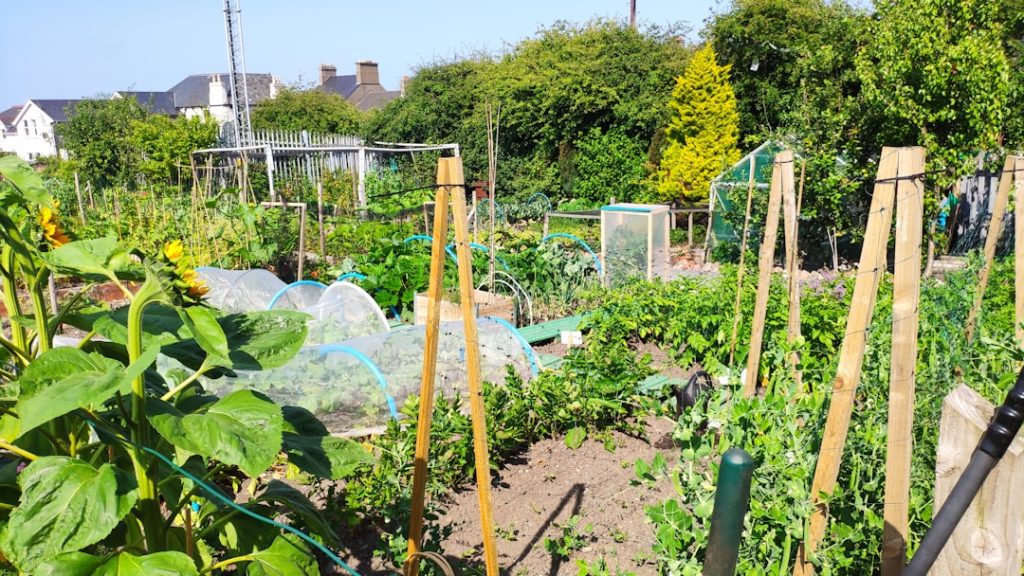
While the details differ from site to site, some requirements are common to most agreements. The most important is usually that your plot must be actively cultivated. Many councils expect a significant proportion of the plot — often around 75% — to be used for growing fruit, vegetables or flowers, and neglect can lead to warnings or loss of tenancy.
Rules on structures are also common: sheds, greenhouses and polytunnels are often allowed but usually subject to size limits and prior approval. Most sites prohibit permanent residential use — you cannot live on your plot. Water usage, waste disposal and bonfire restrictions are also frequently included to keep sites safe and environmentally responsible.
As these specifics vary between agreements, treat the above as general guidance rather than a definitive list, and check what applies to your site.
Permitted and Prohibited Activities
Allotment rules also set out what you can and cannot do on your plot. Growing your own produce is the primary purpose, and some sites also permit keeping hens or bees — but this is not universal, so check whether your site allows it.
Commercial use is generally prohibited: you may occasionally sell surplus produce, but running a business from your plot is usually against the rules. The use of pesticides and fertilisers can be restricted, particularly on sites promoting organic practices, and considerations such as noise, parking and shared pathways also commonly feature.
How to Stay Compliant
Staying on the right side of the rules is largely about communication and consistency. Read your tenancy agreement thoroughly and keep a copy. Tend to your plot regularly, even in quieter seasons, and if you are unsure about a rule — such as installing a polytunnel or keeping bees — contact your site manager or council before acting. Many allotment associations also provide guidance and support, making it easier to stay informed.
Why Allotment Rules Matter
Allotment rules balance individual freedom with collective responsibility. They ensure plots are used productively, prevent misuse of land, and support biodiversity and community. Understanding which rules apply to your plot — and where to turn for advice when things are unclear — is an essential part of being a responsible plot holder.

